In a tense, high-consequence situation, a difficult meeting, a conversation that matters, something older and faster than the rational mind takes charge. Emotions arrive before we decide, and often decide for us. That isn't a character flaw. It's biology, and it can be trained.
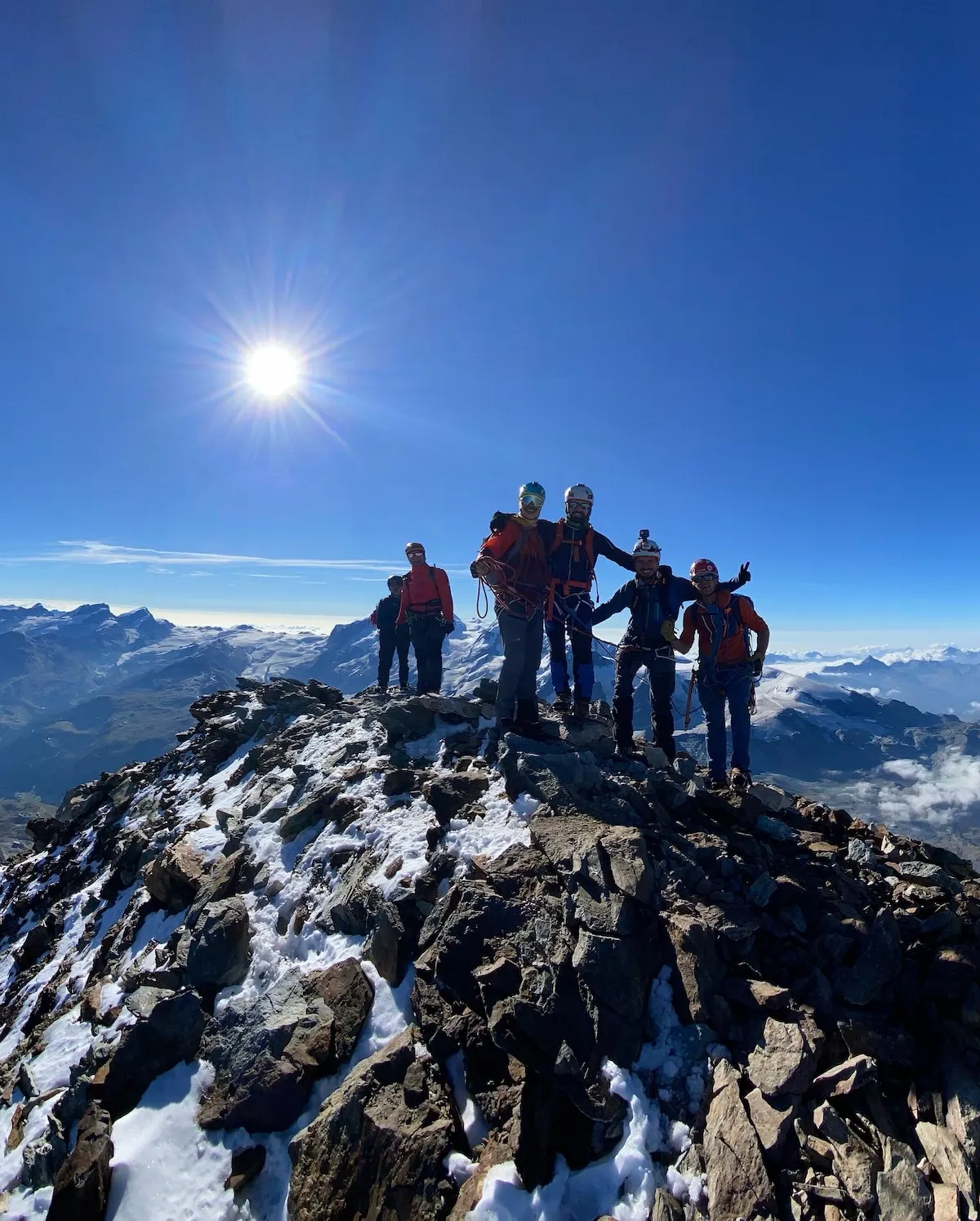
I started to learn about the mind during nine years in a Tibetan Buddhist hermitage, applied it in mental health work and on high-altitude expeditions, and trained to teach it through the Cultivating Emotional Balance Teacher Training, the secular programme developed by Paul Ekman, Alan Wallace and Eve Ekman. Now I bring the same tools to people navigating a world that might be confusing and does not stop being demanding.
More about GabrielAnger, fear, contempt arrive before the decision. Awareness is the first step towards choice: noticing the emotion while it is still forming, so that, little by little, the response becomes a choice instead of simply firing.
Our reactions draw on a store of triggers: some shared by every human through evolution, others written in by our own history. The practice brings it into view and allows us to gradually loosen its hold.
You're in the room but not quite there. Someone talks to you and you have to ask them to repeat it. Attention training, the same used in three-year contemplative retreats, builds it back.
"Gabriel quickly created an atmosphere of trust that allowed for honest, constructive exchange. His expertise in de-escalation gave our team concrete, workable tools — and a real sense of collective momentum."
Yassine Ghouti Terki, Camp Director, CCAS Vaudagne
Half-day or full-day. One to six sessions. In person. Between 4-9 people.
For teachers, students, or both. Tailored to the institution.
Six sessions is a typical arc. Remote or in person.
Up to 5 days. Small group. Alps. Once or twice a year.
Tell me what you're working on. I'll come back with a format that fits — or an honest steer toward someone who fits better.